
She wrote her own roadmap — and then built the infrastructure for everyone else
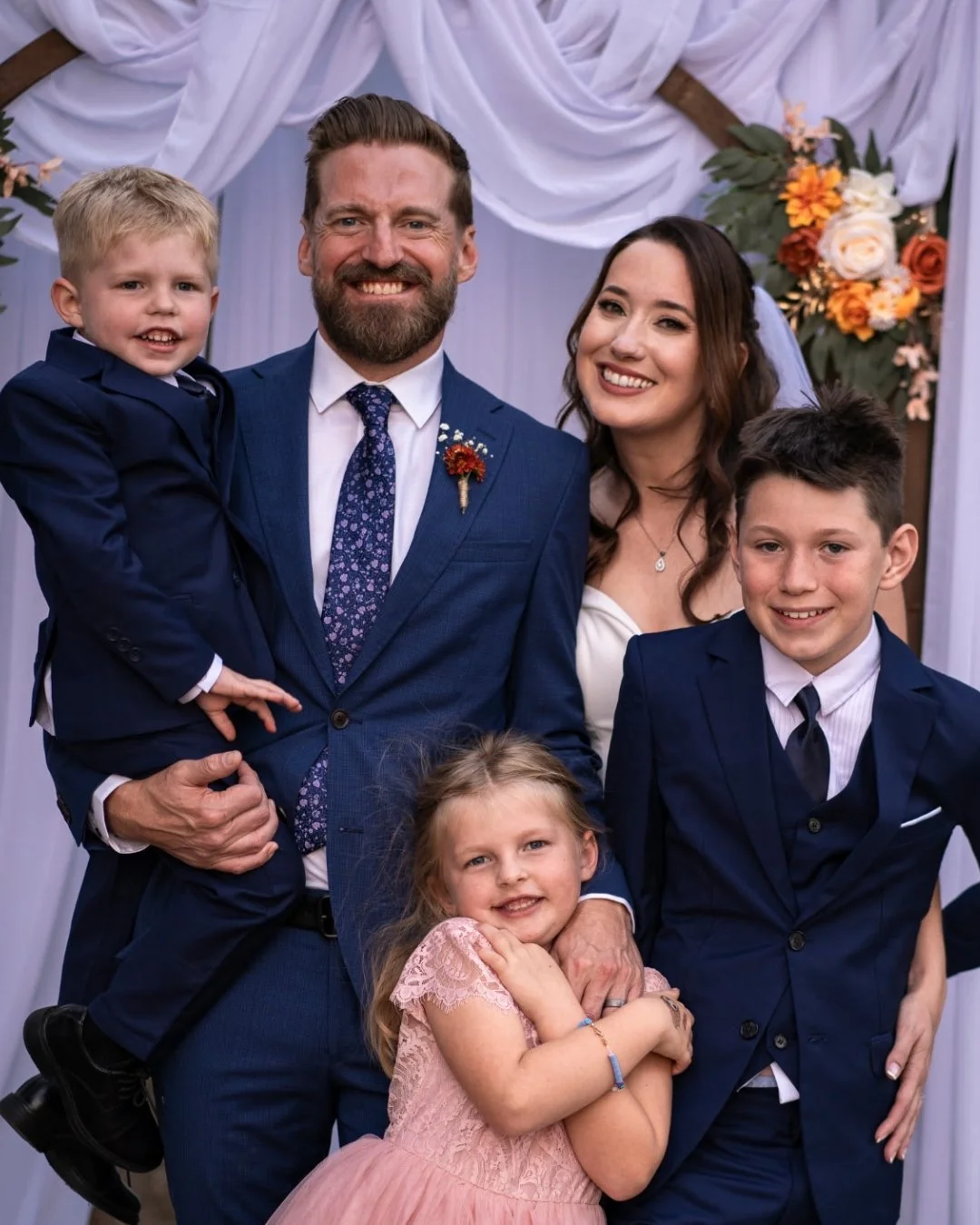
Ashleigh Woodward (top right), with her immediate family and husband, Nicholas.
The most important work in any organization is rarely the most visible.
It does not announce itself. It does not ship in a box or close a deal. It holds the whole architecture upright quietly and reliably until the day it needs to be seen. At Iris Technology, that work belongs, in large part, to Ashleigh Woodward.
Ashleigh leads six departments under Compliance for an aerospace and defense firm. In the thirteen years she has been here, the company has grown from 23 to more than 85 employees. She built the HR infrastructure from the ground up. She negotiates contracts with customers. She sits in the most sensitive rooms in the company. She is, by any honest accounting, one of the primary reasons Iris functions the way it does — and one of the primary reasons it has grown the way it has.
None of that was handed to her. Not a single piece of it.
WHERE SHE CAME FROM
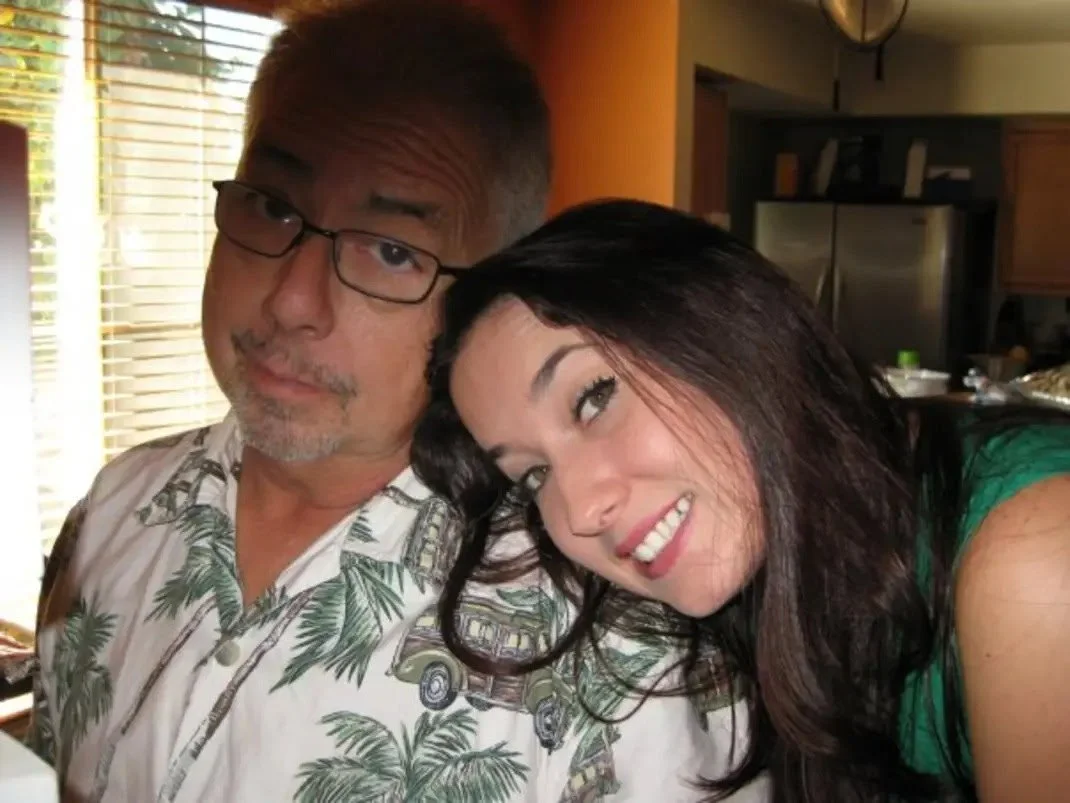
Ashleigh and her father.
Ashleigh grew up without a safety net. She lost her mother when she was a baby. Her father — a construction worker who raised four children alone and is still working at 73 — was the household's only constant. She watched him go to work, exhausted, with hands cracked, bleeding, and blistered, but he kept going anyway. Long before she had words for it, Ashleigh understood what accountability looks like in practice.
At fifteen, she made a quiet decision: she would not become a weight for him to carry. Two weeks after she turned sixteen, she asked him to drive her around so she could pick up job applications. She was hired at the first place she applied, stayed two years, then moved into her first office job. It was, she says, the first time she felt any real sense of control over her own life.
Ashleigh didn't follow a traditional college path — she was drawn to real work that made a real impact. That's what drove her. Grit, determination, and a need to prove things to herself through doing. She just needed someone to open the door. By her early twenties, she had taught herself accounting, bookkeeping, payroll, IT basics, and marketing. At 23, she single-handedly installed, mounted, rewired, and reprogrammed an entire legacy Cisco VoIP system with no instructions. She was identifying needs and meeting them, whatever they were — building priceless real-time skills and, more importantly, developing the kind of judgment that only comes from tackling real-world problems.
The credential she was building was competence itself, verified daily.
“I didn’t want my growth to depend on someone deciding I was ready. I wanted to become the kind of person who could walk into a problem and figure it out. And I did it with dignity — always thinking about what’s in everyone’s best interest.”
THE PHONE CALL THAT DEFINED THIRTEEN YEARS
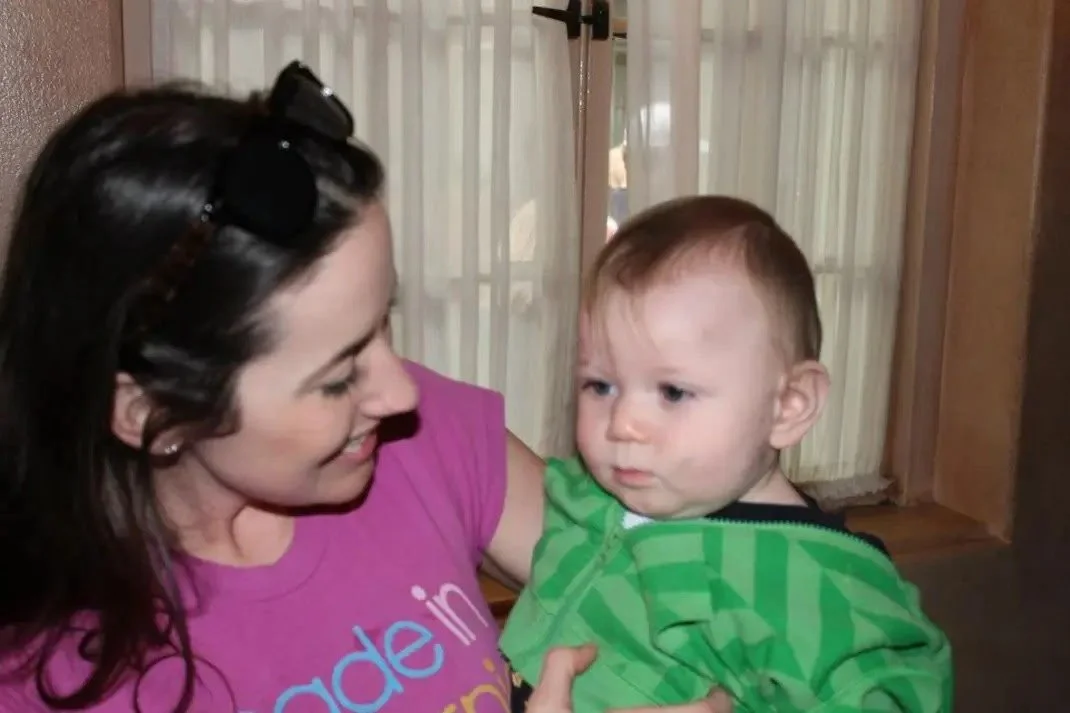
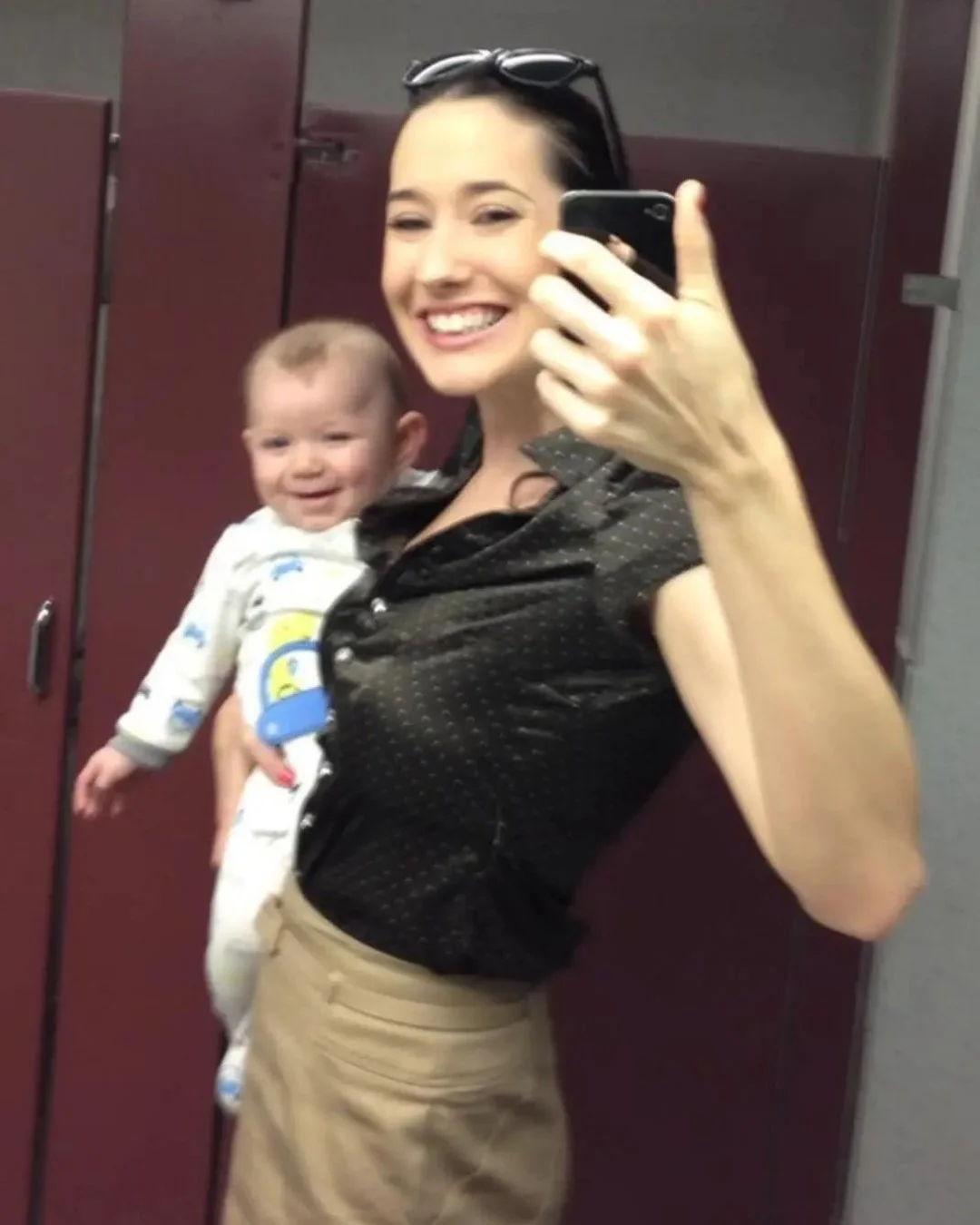
Ashleigh holding her son, Aiden.
When Iris Technology offered Ashleigh a position, she signed the letter on the spot. Then she looked at her son Aiden, ten months old, and fell apart. She called to decline. She was apologetic. She explained she couldn't leave her baby.
The HR Manager called her back, curious why she wouldn't take it. When Ashleigh explained, Maggie, Iris's CFO, offered her the position part-time instead.
At the time, it may have seemed like a simple phone call and a straightforward accommodation. For Ashleigh, it became something much bigger. She accepted immediately. Thirteen years later, when people ask why she has remained so loyal to the company, she still points back to that moment — because they believed in me then, and I don't want to let them down now.
“If I’m doing my job right, most people don’t notice it — and that’s a good thing. Clean audits, contracts that don’t blow up, systems that support the team. It’s about removing friction before it becomes a problem.”
That framing understates the complexity of what she holds. Sitting across six departments means Ashleigh absorbs pressure from every direction simultaneously. She is in the room when the company makes its hardest decisions. She negotiates against people who negotiate for a living. She carries information that cannot leave the room. The trust her role requires is not incidental to her position. It is the position.
THE QUALITY THAT KEEPS THE ROOM TOGETHER
Ask almost anyone who works closely with Ashleigh to describe her, and they reach, almost without exception, for the same word: calm. Not passive. Not conflict-averse. Calm — the kind that is load-bearing, that other people lean against when things get hard.
“Any time someone is in a situation where they’re uneasy, anxious, or struggling, I love to be the person who can bring them back to neutral. We all need someone there for us when we’re struggling.”
Her empathy, she is candid enough to admit, has occasionally cost her. Early in her career, she advocated to hire someone she felt empathy for, overruling the signal her experience was giving her. It was a mistake. She learned from it. "A fool doesn't learn from their mistakes, a smart person does, and a wise person learns from the mistakes of others," she says, citing a line she has carried since she was young. "That was my motto. It still is."
What distinguishes Ashleigh’s leadership is not the absence of error — it is the quality of her response to it. She slows down. She listens for what isn't being said. She trusts the instinct she has spent a lifetime calibrating. And she holds herself to a standard of accountability that she extends, generously, to everyone around her.
HOLDING THE LINE
There is something else worth sharing about Ashleigh Woodward, because it explains the loyalty that runs through everything she does.
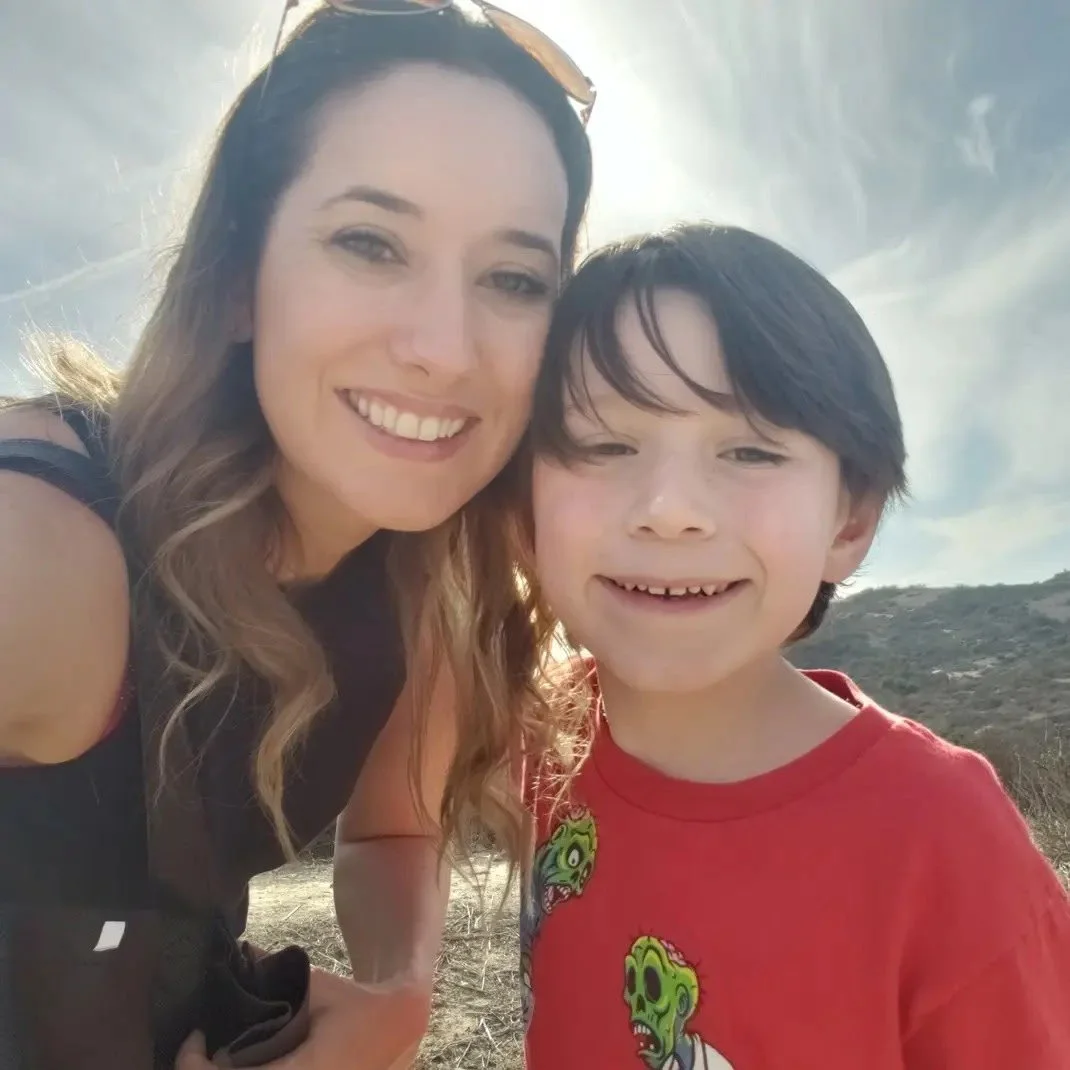
Ashleigh with her son, Aiden.
Aiden, the baby she was holding when she almost turned down the job that changed her life, was later diagnosed with brain cancer. She has been navigating that season while continuing to carry the work she had spent years helping build: the contracts, the audits, the decisions, the responsibility. And Iris showed up for her. The flexibility extended to her during Aiden's illness, in schedule, in remote work, and in trust, became something she'll never forget.
"If you want to make it work, it will work," she says simply. It sounds like resilience, but it is really gratitude.
Today, Aiden is 14, and his cancer is stable. She speaks about that period with the same quiet certainty that defines the rest of her story: sometimes the things that nearly break you become the things that shape you.
WHAT COMES NEXT
Iris Technology is building toward significant scale, and Ashleigh is already thinking about the infrastructure it will require: the right people, the right systems, the standard operating procedures that hold up not at 85 employees but at 500 or 5,000. Her focus is on making sure the company can grow without the foundations cracking.
She is honest about the fact that she still hears a voice that asks whether she is enough for the moment in front of her. It is the same voice she has been answering, quietly and without ceremony, for her whole life.
Ask her what that sixteen-year-old — the one who walked into businesses asking for a chance, who didn't want to be another thing her father had to carry — would think if she could see where things ended up.
She laughs, just barely. Then: "I think she'd be really proud. And honestly… a little awestruck. That a daughter of a single father, blue-collar, low-income — she could look at all of this and think: none of that defines you. You define you. You get to choose."